
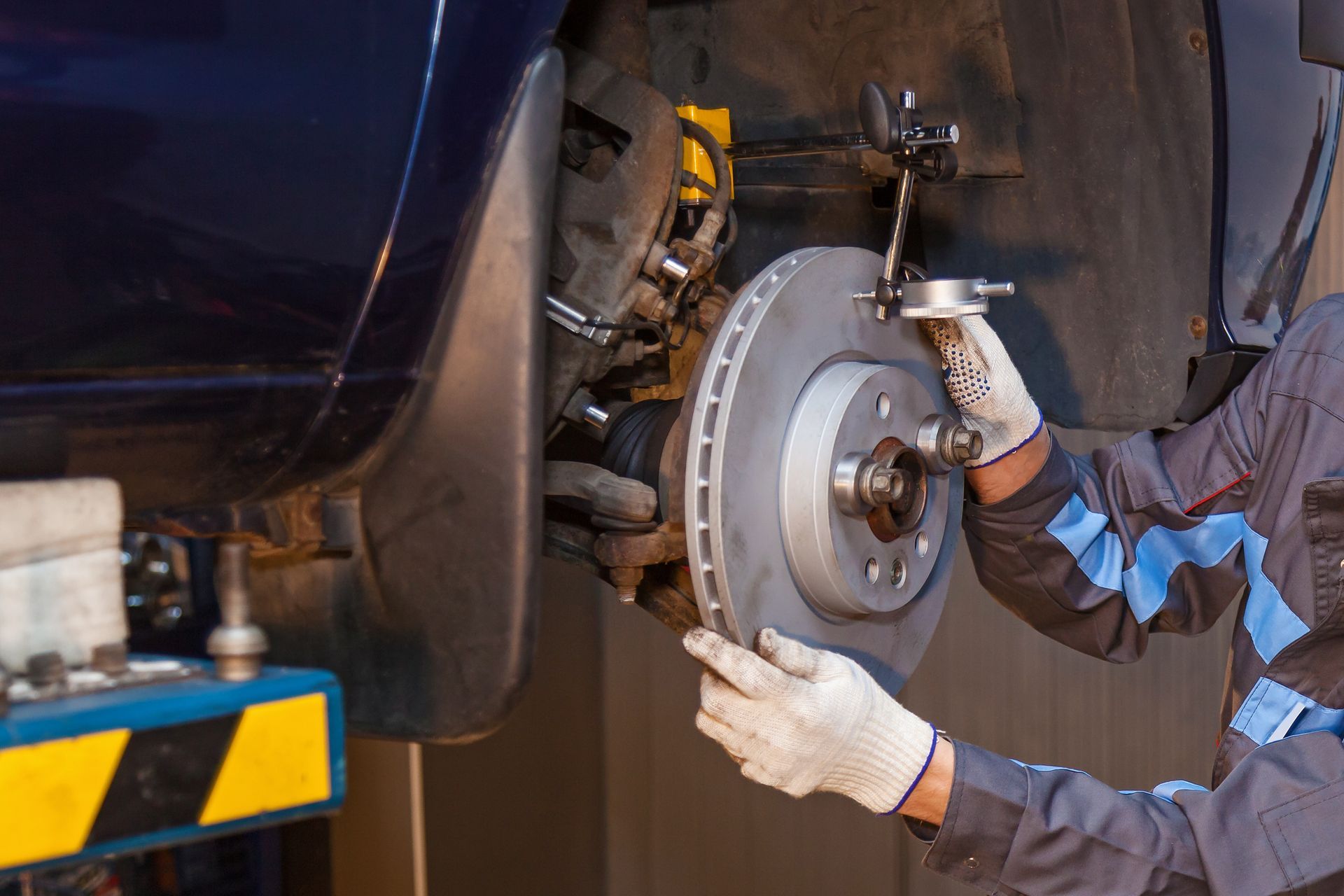
Westlake Independent Automotive in Westlake Village, CA, explains brake warning signs that need prompt service.
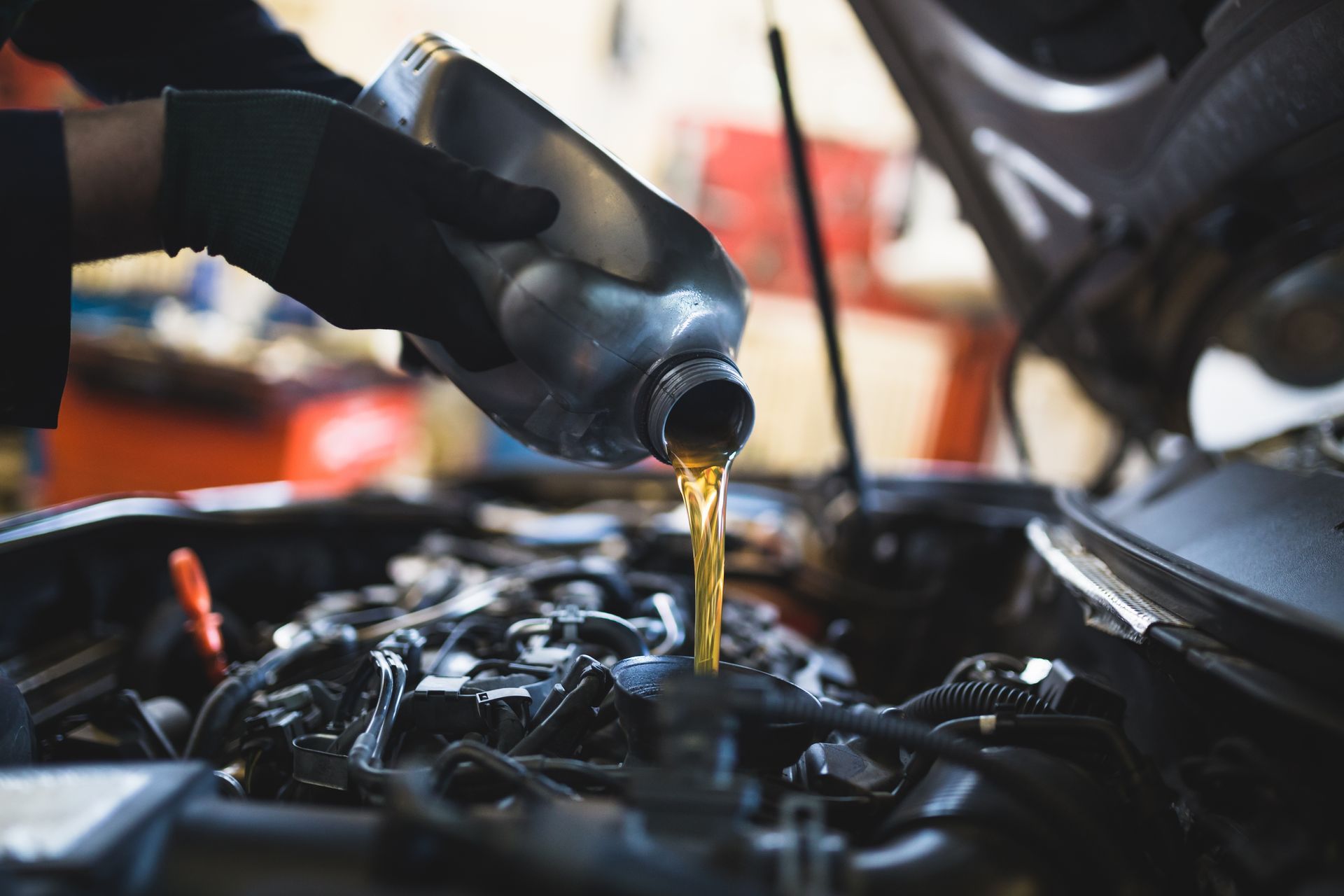
Westlake Independent Automotive in Westlake Village, CA, explains how the wrong engine oil can affect performance.
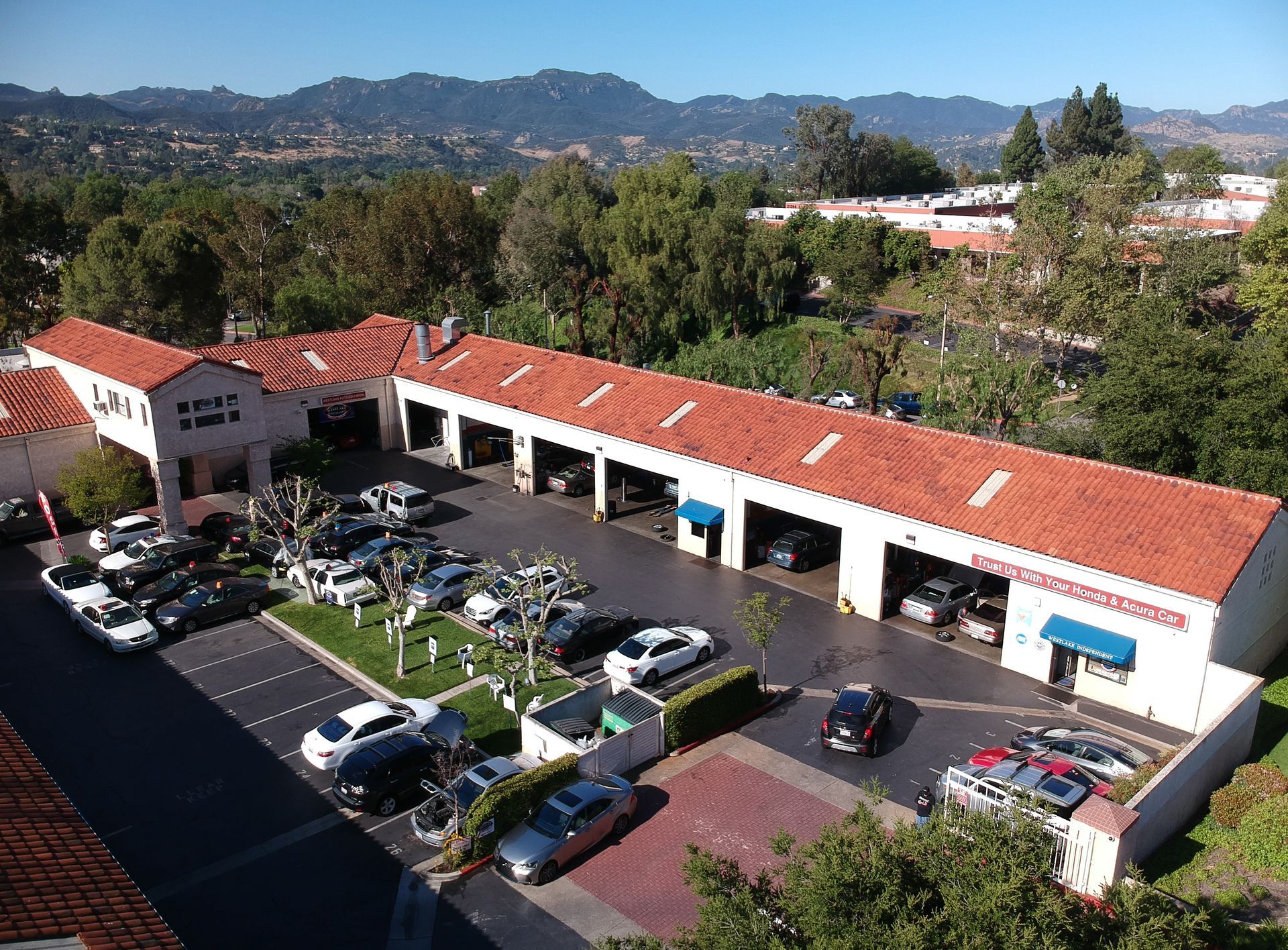
You don't have to choose between factory-level expertise and a service experience built on trust. At Westlake Independent Automotive, you get both. Expert Technicians Our ASE-certified team specializes in Honda, Acura, Toyota, Lexus, Nissan, Infiniti, Mazda, and Subaru vehicles. We continuously train and master the latest factory diagnostics and repair standards to keep your car performing at its best. Community Reputation For over 35 years, drivers in Westlake Village, Thousand Oaks, and throughout the Conejo Valley have trusted us for honest, reliable care. Independent & Accountable Unlike dealerships or chains, we're family-owned. Our name is on the line with every service, and that means you get straightforward answers and genuine peace of mind. At Westlake Independent, your confidence matters more than any flashy waiting room or corporate logo.
When it comes to servicing your vehicle, many drivers default to the dealership. But bigger isn’t always better. At Westlake Independent Automotive, we provide a level of personalized service that dealerships simply can’t match. Here’s what sets us apart: ● We Know You and Your Car: At dealerships, you’re often just another number on the schedule. With us, your service history doesn’t get lost in the shuffle. We take the time to know your vehicle’s background and your driving habits, so our recommendations are tailored to you , not a generic checklist. ● Tailored Recommendations (Not Upsells): Dealerships often push services whether you need them or not. We believe in honest guidance. Our ASE-certified team explains what matters most for the safety, performance, and longevity of your vehicle. ● Personalized Care, Not Corporate Policies: At Westlake Independent, you’ll never deal with a “one-size-fits-all” approach. Instead, you’ll find clear communication, service tailored to your needs, and the trust of a team that has proudly served drivers in Thousand Oaks and throughout the Conejo Valley and surrounding communities for more than 35 years. In a community like ours, trust matters. That’s why so many drivers leave the dealership behind and choose us—because your car deserves more than routine service. It deserves service that’s built around you .
Thinking about heading to the dealership for your next service? Before you book that appointment, here are five questions worth asking yourself: Will my car get the attention it really deserves? Dealerships often feel rushed and impersonal, with long lines and packed service bays. At Westlake Independent, we take the time to thoroughly inspect and care for your vehicle—because you’re not just a number on a service ticket. Will I actually see the same people each time? At dealerships, you never know who you’ll get. At Westlake Independent, our team is small, local, and here for the long haul. Customers love that they can count on familiar faces every visit. How clearly will I understand what’s going on with my car? Nobody likes confusing checklists or vague explanations. That’s why we send you a digital inspection with photos and notes—so you see exactly what we see. Will this visit fit into my life—or disrupt it? Dealerships often leave you waiting or arranging your own ride. We make it easy with courtesy shuttles and on-site rentals. Am I supporting a business that values relationships—or just numbers? Dealerships often work toward corporate goals and quotas. Since 1988, Westlake Independent has been family-owned and deeply rooted in the Conejo Valley. Our focus is on building trust, caring for our neighbors, and keeping your vehicle reliable for the long run. At Westlake Independent Automotive, we welcome these questions—because our answers are what set us apart from the dealership.
Thinking about heading to the dealership for your next service? Before you book that appointment, here are five questions worth asking yourself: 1. Will my car get the attention it really deserves? Dealerships often feel rushed and impersonal, with long lines and packed service bays. At Westlake Independent, we take the time to thoroughly inspect and care for your vehicle—because you’re not just a number on a service ticket. 2. Will I actually see the same people each time? At dealerships, you never know who you’ll get. At Westlake Independent, our team is small, local, and here for the long haul. Customers love that they can count on familiar faces every visit. 3. How clearly will I understand what’s going on with my car? Nobody likes confusing checklists or vague explanations. That’s why we send you a digital inspection with photos and notes—so you see exactly what we see. 4. Will this visit fit into my life—or disrupt it? Dealerships often leave you waiting or arranging your own ride. We make it easy with courtesy shuttles, on-site rentals, and even concierge pick-up and delivery when you need it. 5. Am I supporting a business that values relationships—or just numbers? Dealerships often work toward corporate goals and quotas. Since 1988, Westlake Independent has been family-owned and deeply rooted in the Conejo Valley. Our focus is on building trust, caring for our neighbors, and keeping your vehicle reliable for the long run. At Westlake Independent Automotive, we welcome these questions—because our answers are what set us apart from the dealership.
If you’ve always gone to the dealership for service, switching to an independent shop can feel uncertain. At Westlake Independent Automotive, we make that transition easy and deliver a level of care that often goes beyond what dealerships provide. Here’s what you can expect when you bring your vehicle to us: Precision and Professionalism: Our ASE certified technicians specialize in Japanese vehicles and use advanced diagnostic technology along with factory specifications. Unlike many dealerships that focus on volume, our priority is accuracy, attention to detail, and the long-term health of your vehicle. Transparent, Relationship Based Service: Dealership experiences can sometimes feel rushed, pressured, or unclear. We take the opposite approach. Our team explains what we find, answers your questions, and provides honest recommendations. Through our detailed digital inspections, you’ll see photos and notes directly from our technicians so you can make decisions with complete confidence. No upselling, no confusing jargon. Service That Feels Personal: Instead of bouncing between different advisors, you’ll see the same team each visit. We get to know you, your vehicle, and your priorities. You’re treated like part of the family, not just another number in line. Convenience That Works for You: Dealerships often run on their schedule, not yours. We offer early drop-off, digital updates, courtesy shuttles, rental cars, and concierge pick-up and delivery to make the process easier and more flexible. Many of our customers say their only regret is not switching sooner. With Westlake Independent Automotive, you don’t just get dealership-level service—you get a better, more personal experience built around you and your vehicle.
When it comes to servicing your vehicle, choosing between a dealership and a local auto repair shop can feel like a big decision. At Westlake Independent Automotive, we know our customers in Thousand Oaks and across the Conejo Valley expect more than just routine maintenance. They want quality, consistency, and trust. Here’s why so many drivers choose us as their long-term automotive care partner: Expertise You Can Rely On Our ASE-certified technicians specialize in Honda, Acura, Toyota, Lexus, and all Japanese vehicles. We use dealer-level diagnostic equipment and follow factory-recommended procedures for every service and repair. Consistent Care from Familiar Faces Unlike dealerships, where you may see a different advisor or technician each time, we provide a more personal experience. Our team takes the time to get to know you and your vehicle, so your service is always consistent and reliable. No Upselling—Just Honest Recommendations We believe in clear communication and only recommend services your car truly needs. With our digital inspection reports, you’ll see exactly what our technicians see, photos and notes included, so you can make informed decisions about your vehicle. Our goal is long-term reliability, not short-term profits. High Standards, Backed by Reputation We hold ourselves to the highest standards because our reputation depends on every repair and every customer interaction. For more than 35 years, drivers in Westlake Village, Thousand Oaks, and beyond have trusted us to keep their vehicles safe and dependable. Choosing Westlake Independent Automotive isn’t about cutting corners. It’s about choosing service you can feel confident in—quality care from people who value your trust.
Auto Inspections That Empower: The Westlake Independent Automotive Approach to Japanese Vehicle Care
If you drive a Honda, Toyota, Lexus, Nissan, Subaru, Infiniti, Acura, or Mazda, you already know the value of long-lasting, high-quality engineering. At Westlake Independent Automotive in Thousand Oaks, we apply that same mindset to the care of your vehicle. Our approach centers on accuracy, transparency, and giving you the knowledge to make confident decisions. A proper inspection does more than identify problems. It gives you a clear understanding of your vehicle's current condition and helps you prioritize what matters most for safety, performance, and long-term reliability. We Inspect with Purpose. You Drive with Confidence. Every inspection at Westlake Independent Automotive is designed to keep you informed. We don’t just send you a list of issues. Instead, we include you in the conversation with clear explanations and complete access to your vehicle's inspection results. Here’s what makes our inspection process different: Vehicle-Specific Expertise We specialize in Japanese makes and models. Our technicians are highly familiar with these vehicles, allowing for more accurate assessments and service recommendations you can trust. Clear Digital Inspections After your inspection, you'll receive a detailed digital report with technician notes and photos. Each item is labeled as Good, Future Attention, or Needs Immediate Attention. You’ll know what’s working well, what to monitor, and what needs prompt action. Honest, Pressure-Free Communication We explain our findings in plain, easy-to-understand language. If something is in excellent condition, we’ll tell you. If there’s a concern, we’ll explain why it matters and how it may affect your vehicle. You decide how to move forward and when. What’s Included in a Westlake Independent Automotive Inspection? Our inspections are designed to provide a full picture of your vehicle's condition. A typical inspection covers: Brake system: pads, rotors, and fluid condition Tire condition: tread depth, wear patterns, and inflation Steering and suspension components Belts and hoses: checked for cracks, wear, or looseness Battery health and charging system Fluids: engine oil, coolant, transmission, power steering, and more Filters, lights, wipers, and other maintenance essentials Diagnostic scan for any warning lights or drivability concerns We document everything clearly so you can make informed decisions with less stress. Why Drivers in Thousand Oaks Choose Westlake Independent Automotive We’re focused. Our team specializes in Japanese vehicles. This focus allows us to deliver more precise diagnostics, better service, and longer-lasting results. We’re honest. There’s no upselling and no scare tactics. If your vehicle doesn’t need a service, we say so. If a repair can wait, we tell you how long it’s safe to do so. We’re educators. Our role goes beyond fixing cars. We aim to help you understand your vehicle and how to care for it over time. How Inspections Help You Save Time, Money, and Stress Routine inspections catch small issues before they turn into expensive repairs. Staying on top of wear and tear helps avoid breakdowns, keeps your vehicle performing at its best, and extends its life. When you understand what’s happening under the hood, you're not just maintaining your car. You're also protecting your time and peace of mind. Japanese Vehicle Brands We Specialize In We provide expert inspections, maintenance, and repair services for the following brands: Honda Toyota Lexus Nissan Subaru Infiniti Acura Mazda We’ve built our reputation on consistently high standards of care for these vehicles and for the drivers who rely on them. Experience a Smarter, More Respectful Approach to Auto Care At Westlake Independent Automotive, we believe every driver should understand their vehicle. Our inspections are built to give you complete visibility and total confidence, whether you're planning routine maintenance or preparing for a road trip. Ready to experience auto service that respects your time, your car, and your intelligence? Schedule your next inspection with Westlake Independent Automotive in Thousand Oaks today. Let us show you what quality and transparency truly mean.
Looking for reliable, expert auto repair in Thousand Oaks without the stress of dealing with a dealership? You're not alone. At Westlake Independent , we deliver top-tier service with a clear, customer-first approach — no inflated pricing, no confusing service processes. Whether you drive a Honda, Toyota, Lexus, Nissan, Subaru, Infiniti, or Acura , we offer a higher standard of care that puts your needs first. Why More Thousand Oaks Drivers Are Choosing Westlake Independent Drivers across the Conejo Valley are looking for more than convenience — they want trustworthy, skilled professionals who truly understand their vehicle. At Westlake Independent , we specialize in high-quality service and repairs for Japanese and Asian import vehicles, with deep expertise in: Honda Toyota Lexus Nissan Subaru Infiniti Acura You’ll receive dealership-level precision — but with the personalized, transparent service only a locally owned shop can provide. Here’s why so many Thousand Oaks drivers are making the switch: Certified expertise and factory-level tools tailored to your vehicle Honest communication and clear explanations A focus on customer education — not just repair orders Respect for your time with efficient scheduling and updates No-pressure recommendations based on what your vehicle truly needs Beyond the Dealership Experience We hear it often: customers come to us after being frustrated by dealerships. Maybe it was a long wait, confusing estimates, or a sense that their concerns weren’t heard. At Westlake Independent , our goal is different — to make sure you understand what's happening with your car and feel confident every step of the way . Here’s what you can expect: Detailed, transparent assessments from experienced technicians Straightforward guidance on maintenance and repairs Repairs done right the first time — using manufacturer-level equipment Precision Service with a Personal Touch Our shop is equipped with the same advanced diagnostic tools used by dealership service departments, but our approach is built around personalized care . We take the time to listen, explain, and work with you to maintain your vehicle for the long haul. Whether you need factory-recommended maintenance , engine diagnostics , or brake repairs , you can count on us to deliver: High-quality workmanship Clear service recommendations A respectful, informative customer experience Trusted Auto Repair in Thousand Oaks for Import Vehicles More and more drivers are searching for “ trusted mechanic near me ” or “ dealership alternative for Toyota or Honda ” — and discovering the difference an independent shop can make. Our technicians have decades of experience working on the brands you trust most, including: Honda, Toyota, Lexus, and Nissan Subaru, Infiniti, and Acura We're proud to serve Thousand Oaks and surrounding communities with a level of care and consistency that larger shops can’t match. Discover a Higher Standard of Car Care If you're looking for expert-level service without dealership frustration , Westlake Independent is here for you. We treat you like a neighbor , not a number — and deliver the knowledge, honesty, and quality you deserve. Ready for a better auto repair experience? Call or schedule your appointment online today. Find out why so many local drivers trust Westlake Independent for top-quality vehicle service in Thousand Oaks